If alcohol blackouts are becoming more frequent or you experience multiple warning signs simultaneously, consider consulting Assure Recovery for assessment and treatment options. These include relationship conflicts, work performance issues, legal problems, or financial difficulties related to drinking behaviors. Eat substantial food before drinking and continue eating during alcohol consumption. Food in your stomach significantly slows alcohol absorption and reduces the likelihood of reaching dangerous BAC levels that trigger blackouts. Binge drinking episodes – consuming multiple drinks rapidly – increase your likelihood of experiencing either condition. But, blackouts can occur even with smaller amounts if you https://ecosoberhouse.com/ drink quickly on an empty stomach or combine alcohol with medications.
Disorders that mainly affect the brain
- Excessive drinking has numerous impacts on your body and mind, ranging from mild to severe.
- The use of disulfiram, family support, and cognitive behavioral therapies, including cognitive neuroscience, can help in the management of alcohol dependence syndrome.
- Early intervention with thiamine supplements can prevent irreversible cognitive decline.
- A BAC from 0.25% to 0.40% causes stupor, unconsciousness, anterograde amnesia, vomiting (death may occur due to inhalation of vomit while unconscious) and respiratory depression (potentially life-threatening).
He says now he’s realised it’s a genuine problem and he’s going to drive to events from now on and truly limit himself to only a few on birthdays. I’m wondering what’s the best port of call for someone whose not an alcoholic but alcohol has caused issues in his life. I love him and part of me wants to stand by him but also I’m unsure due to the previous disrespect. Reaching a specific blood alcohol level that guarantees a blackout is not possible since it varies from person to person. However, having a blood alcohol concentration (BAC) above 0.16% significantly increases the chances of experiencing a blackout. Mixing alcohol with other substances like medications or drugs can increase the risk of blacking out.
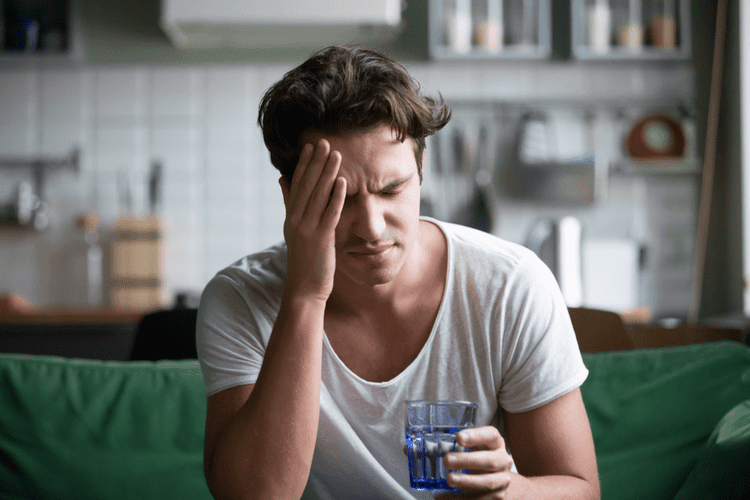
The Blackout Drunk
Blackouts can happen to anyone who drinks alcohol, regardless of their age or experience with drinking. Yes, alcohol can accelerate the progression of memory conditions like dementia. Alcohol’s neurotoxic effects worsen cognitive decline in individuals already experiencing memory-related issues. Psychedelic drugs, such as LSD, mescaline, and psilocybin, are referred to as hallucinogens because they can cause visual hallucinations. Some types of hallucinations are more likely to be caused by a neurologic disorder. For example, before a seizure occurs, people may smell something when there is no smell (an olfactory hallucination).
Why Do I Get So Angry When I Drink Alcohol?

Worley points out that alcohol’s effects on the prefrontal cortex area of the brain make it easier for people to act on aggressive impulses, and alcohol can amplify underlying emotional states. If someone is already feeling stressed, anxious, or angry, alcohol might intensify these feelings. People with a high tolerance for alcohol may need to drink greater amounts to feel the same effect. As a result, they may drink more heavily, putting them at greater risk for alcohol-related health issues or physical dependence on alcohol. Passing out means a person has either fallen asleep or lost consciousness from too much drinking. In contrast, a person is awake during a blackout, but their brain is not creating new memories.
It also leads to loss of appetite, sweating, anxiousness, sleep disturbances, hallucinations, suspicion, changes in mood, pacing nature, and blackouts 28-31. During the treatment of alcohol addiction or alcohol withdrawal, individuals experience socio-behavioral changes. The participants were enquired about factors involving the physical, behavioral, and psychological aspects. The participants were majorly assessed on the forensic aspects due to their alcohol dependence.

The rapid increase of blackouts with age merits cause for concern, especially due to the social acceptability among teens and young adults of binge drinking and drinking to the point of blacking out. This study represents a significant number of drinkers who put not only themselves but others ptsd blackouts at risk because of the poor decision-making that often comes with blackout drinking. Behavioural changes can occur as a short term reaction to the physical effects of alcohol. Personality changes from alcohol consumption can be divided into short term and long term effects. Brain plasticity means that our brains can adapt and develop new neural pathways. Because of this, research shows that many of the brain changes caused by alcohol can improve and possibly reverse after just a few months in recovery.
- Courts don’t accept memory loss as an excuse for actions taken while intoxicated.
- By disrupting the functioning of the hippocampus, alcohol can act to inhibit our ability to make new memories.
- As a result, alcohol leads us to say and do things we wouldn’t do under normal circumstances.
- The forensic aspects of alcohol dependence syndrome were included in the parameters of the evaluation.
Reducing the risk of alcohol-induced blackouts involves drinking slowly, staying hydrated, and limiting consumption to moderate levels. Choosing lower-strength beverages, alternating drinks with water, and adhering to recommended limits helps the brain process alcohol more efficiently. Social support and accountability further promote safer drinking, protecting memory and cognitive health.
Avoid High-Risk Drinking Practices
Gulping drinks or participating in binge drinking causes rapid blood alcohol concentration spikes that overwhelm your brain’s memory formation marijuana addiction processes. This speed factor explains why the same alcohol amount consumed quickly versus slowly produces different blackout risks. According to the National Institute on Alcohol Abuse and Alcoholism (NIAAA), alcohol initially lowers emotional pain, which may mediate feelings of stress, anxiety, and emotional pain. This is why so many people think drinking helps them cope with stress or emotional pain.
Leave a Reply