You may like the effects of alcohol and want to keep drinking to keep experiencing those effects. Some people might not be dependent on alcohol, but may drink in a harmful way. For example, you may have periods of not drinking but then times when you drink a lot in one go (binge drink). symptoms of alcohol dependence Each of these fee-based tools has a research base that shows its potential to help people cut down or quit drinking. Setbacks can be common, so you will want to know how they are addressed. For more information on a return to drinking, see An Ongoing Process.
Managing Alcohol Withdrawal
Alcohol withdrawal causes a range of symptoms when a person with alcohol use disorder stops or significantly decreases their alcohol intake. The symptoms can range from mild to severe, with the most severe being life-threatening. Alcohol addiction may involve several different treatment methods. It’s important that each person get involved in a recovery program that will support long-term sobriety. This could mean what is Oxford House an emphasis on therapy for someone who is depressed, or inpatient treatment for someone with severe withdrawal symptoms. Sometimes, it’s slow and quiet missed commitments, changing moods, or drinking more than intended, more often than intended.

Physical health impacts of alcohol use disorder
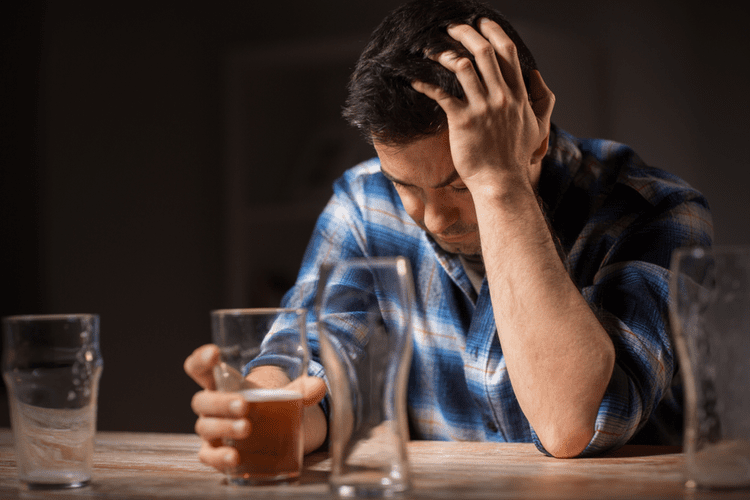
How alcohol addiction physically affects different parts of your body. You may reach a point where you start drinking again just to relieve your symptoms. For instance, you might write a list of reasons why you want to stop drinking alcohol and read it. They may include hallucinations (seeing things that aren’t there). When the alcohol level in your system suddenly drops, your brain stays in this overactive state. For women, heavy drinking means four or more drinks on any day or eight or more drinks per week.
- As physical dependence strengthens, you’ll experience withdrawal effects when attempting to reduce or stop drinking.
- AUD includes alcohol dependence, which professionals used to consider separate from addiction.
- Recovery support services, especially those offered by peers, can enhance engagement in treatment and improve overall satisfaction.
- You may reach a point where you start drinking again just to relieve your symptoms.
- You may notice consistent absenteeism from work or school, declining performance in professional settings, or neglect of household duties.
Behavioral and Social Signs
Remember that your loved one is ultimately responsible for managing their own illness. It is important to gauge whether the facility provides all the currently available, evidence-based methods or relies on one approach. You may want to learn if the program or provider offers medication and whether mental health issues are addressed together with alcohol treatment. These behavioral patterns serve as critical warning signs of developing alcohol addiction, requiring immediate professional intervention.
- Alcohol abuse is characterized by a pattern of drinking that results in harm or distress but does not involve physical dependence.
- AUD involves the continued use of alcohol despite the adverse effects it may have on a person’s life.
- People with alcoholism can develop erosive gastritis, where the stomach lining wears away.
- This article covers the key physical, behavioral, and psychological indicators of morphine addiction, helping you to identify and address the…
A Comparison Between DSM–IV and DSM–5
You experience alcoholism when drinking becomes compulsive, and you lose control over your alcohol use. Heavy drinkers may still maintain control over their drinking habits, prioritize daily responsibilities, and avoid feeling compelled to drink. People with severe or moderate alcohol use disorder who suddenly stop drinking could develop delirium tremens (DT). It can be life-threatening, causing serious medical issues like seizures and hallucinations that require immediate medical care. Studies show most people with this condition recover, meaning they reduce how much they drink, or stop drinking altogether.
Leave a Reply